
The Clean Up
The pulsating beats, the vibrant lights, the electrifying atmosphere—music festivals captivate our senses and transport us to a realm of pure euphoria. Yet, amidst the revelry and celebration, a less glamorous reality often goes unnoticed: the aftermath of waste left behind by thousands of festival-goers.
Armed with a vision and a determination to make a difference, RVRT embarked on an ambitious mission: to rid music festivals of the mountains of waste left in their wake. Recognizing the potential for repurposing discarded camping gear and other materials, we set out to transform trash into treasure, one festival at a time.
Sumol Summer Fest: A Call to Action: Our Cleanup journey began with Sumol Summer Fest, a vibrant celebration of music and young culture nestled along the sun-kissed shores of Portugal. As the festival drew to a close, our team descended upon the camp grounds, armed with gloves, bags, and an unwavering sense of purpose. Amidst the sea of discarded tents, chairs, and other camping equipment, we toiled tirelessly, gathering these resources. Despite the exhaustion, there was an undeniable sense of camaraderie and a sense that a big journey was coming ahead. This will always be our first festival cleanup and so it will always hold a special place in our story and it wouldn’t happen without the agility and entrepeuneurial mindset of Mariana Montez who quickly understood our mission and purpose and provided everything necessary to begin taking the first steps in this long journey.
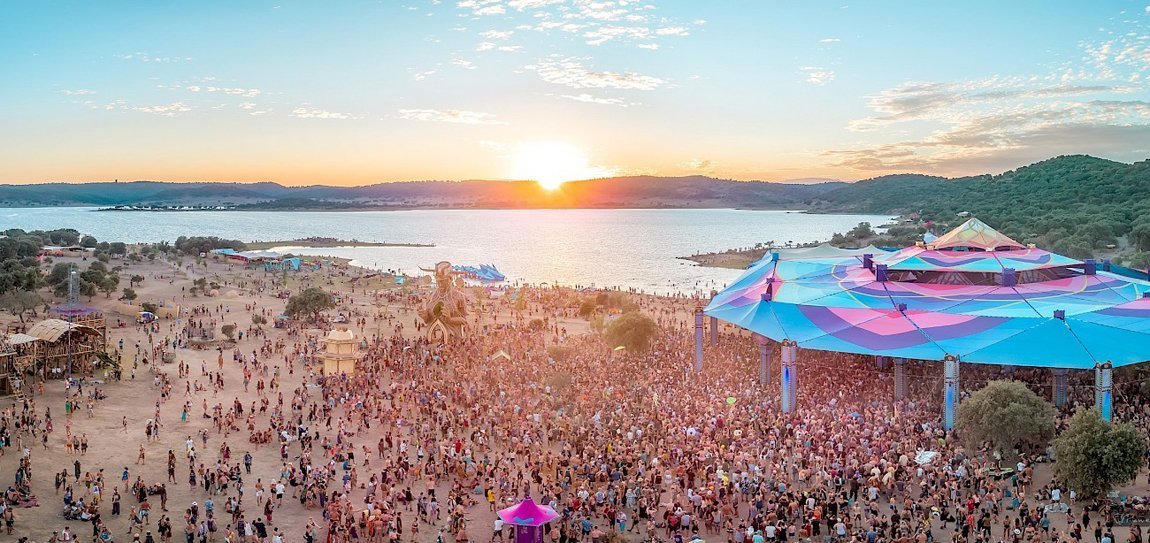
Boom Festival: A Paradigm Shift: In the end of July we found ourselves at Boom Festival, a kaleidoscopic celebration of art, music, and consciousness in the heart of Portugal. Here, amidst the awe-inspiring installations and spiritual and psychedelic vibes, we witnessed a paradigm shift in attitudes towards waste management. Festival-goers eagerly embraced sustainability mindset, eagerly depositing their trash in designated bins and participating in impromptu cleanup efforts. It was a powerful reminder that change begins with individual actions, amplified by collective solidarity. Big shoutout to the Eco Team at Boom and a specially thanks to Lígia, Marcos and Miguel for welcoming us with open arms and hearts to this life chaning festival.
MEO Sudoeste: A Sustainable Legacy: As our summer festival journey drew to a close at MEO Sudoeste, one of Portugal’s premier music festivals, we reflected on the profound impact of our efforts. What began as a humble initiative to clean up festival grounds had blossomed into a movement—a testament to the power of community, innovation, and environmental stewardship, Volunteers began to reach out to us directly to join the cleanup and we are so glad they did, as it would have not been possible to fully clean up without their adicional help. With each festival, RVRT left behind a sustainable legacy—a reminder that together, we can turn the tide of environmental degradation and pave the way for a brighter, greener future.
Washing and Sorting
After the pulsating energy of the festivals subsided and the last revelers made their way home, the next phase of work began: washing, sorting, and processing the materials collected from the festival grounds. This crucial phase marked the transition from cleanup to transformation, as we meticulously sorted through the mountains of waste to identify materials suitable for repurposing.
First came the task of washing the collected items, removing dirt, grime, and traces of festival memories. Tents, sleeping bags, chairs, and other camping gear were scrubbed clean, restoring them to their former glory. This step not only prepared the materials for reuse but also emphasized our commitment to sustainability—a reminder that even seemingly disposable items can be given a second chance at life.
Next, we turned our attention to sorting the materials, categorizing them based on their composition and suitability for recycling or upcycling. Plastics, metals, textiles, and other materials were carefully separated, ensuring that each component found its rightful place in the recycling or repurposing process. This meticulous approach was essential to maximizing the potential of the materials collected and minimizing waste.
As the sorting process unfolded, a sense of excitement filled the air—a palpable anticipation of the creative possibilities that lay ahead. Each item, once destined for the landfill, now represented a blank canvas for innovation and ingenuity. From tents transformed into stylish backpacks to plastic bottles repurposed into durable outdoor gear, the potential for transformation was boundless.
With each washed and sorted item, we moved one step closer to our vision of a circular economy, where waste is no longer seen as an end but as a new beginning. Through our efforts, the materials collected from the festivals would be reborn, taking on new forms and serving new purposes—a tangible reminder of the power of sustainability and the potential of human creativity.